
Blog
Welcome to the Academy Optical Blog! Stay up to date with the latest eyewear trends, expert tips on vision care, and insights into our exclusive collections.
From styling advice to eye health tips, our blog is your go-to resource for all things optical.
Discover how our family-owned boutique continues to bring luxury, style, and personalized service to the Thousand Oaks community.
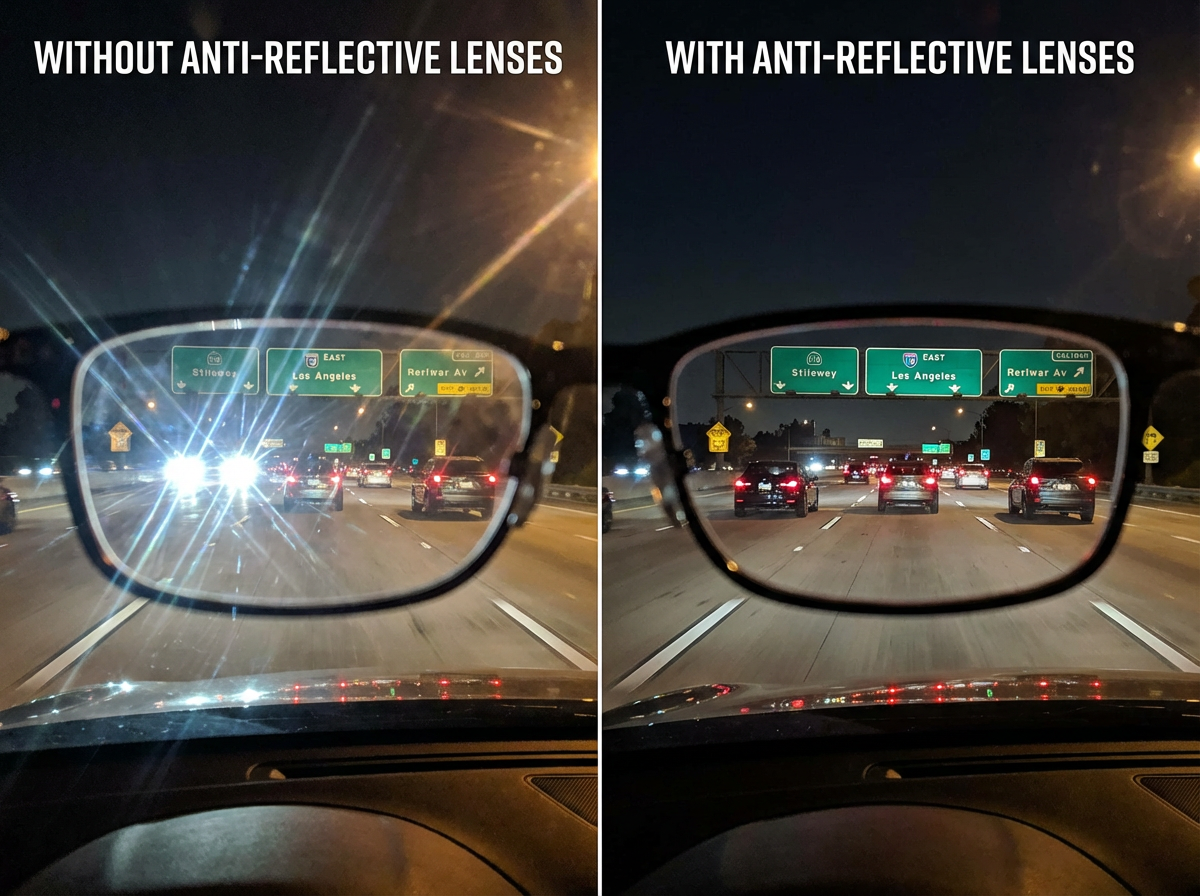
Reducing Eyeglasses Glare: Tips for Clearer Vision and Comfort
Eyeglasses dramatically improve your vision, but glare can transform this essential tool into a source of frustration and discomfort. Whether you're navigating Thousand Oaks' sunny streets, driving through California's bright highways at night, or working on digital devices, eyeglasses glare interferes with clarity, causes eye strain, and compromises your visual experience.
At Academy Optical in The Oaks Mall, Nancy and Diane have spent decades helping Thousand Oaks residents eliminate glare through advanced lens technologies and personalized solutions. Their expertise—honed through 46 years of family service—ensures you receive cutting-edge anti-glare treatments tailored to Southern California's unique lighting challenges.
This comprehensive guide explores the science behind eyeglasses glare, its impact on your daily life, and proven strategies to achieve crystal-clear vision in every lighting condition. You'll discover how modern lens coatings, specialized technologies, and expert guidance can transform your visual comfort.
Understanding Eyeglasses Glare: The Science Behind the Distraction

Glare occurs when light reflects off your eyeglass lens surfaces, creating bright spots, halos, or visual distortions that obscure your view. This reflection happens because standard lenses naturally bounce back approximately 8% of incoming light rather than transmitting it through to your eyes.
According to research published in the National Institutes of Health optical journal, anti-reflective coatings can improve optical quality by reducing these reflections to less than 1%, significantly enhancing visual clarity and reducing strain (2024).
The Three Types of Glare Affecting Eyeglass Wearers
1. Disability Glare:Scattered light that reduces contrast and makes it difficult to distinguish objects, particularly problematic when driving at night or in foggy conditions
2. Discomfort Glare:Bright light that doesn't necessarily impair vision but causes squinting, eye fatigue, and headaches—common with overhead fluorescent lighting or computer screens
3. Reflected Glare:Light bouncing off your lens surfaces, creating distracting reflections that others see and that interfere with your peripheral awareness
Understanding these distinctions helps you identify which anti-glare solutions address your specific challenges.
Common Sources of Eyeglasses Glare in Thousand Oaks
California's abundant sunshine and modern lifestyle create multiple glare sources:
Intense Southern California sunlight reflecting off vehicles, buildings, and the Pacific Ocean
Digital devices including smartphones, tablets, and computer monitors emitting concentrated light
Overhead LED and fluorescent lighting in offices, retail spaces, and The Oaks Mall
Nighttime driving conditions with oncoming headlights and streetlights creating halos
Indoor-outdoor transitions common in California's indoor-outdoor lifestyle
Reflective surfaces like swimming pools, tennis courts, and polished floors
Each environment demands specific anti-glare strategies for optimal visual comfort.
How Eyeglasses Glare Impacts Your Daily Life
Glare affects far more than momentary visibility—it influences your productivity, safety, and overall wellbeing.
Reduced Visual Clarity
Reflected light obscures fine details, making reading difficult, compromising depth perception, and creating dangerous conditions while driving. Research from the American Optometric Association indicates that glare contributes significantly to computer vision syndrome, affecting productivity and comfort.
Increased Eye Strain and Fatigue
Your eyes work harder to compensate for glare, forcing constant refocusing and adjustment. This extra effort leads to:
Burning or tired eyes, especially by afternoon
Difficulty maintaining focus during extended tasks
Reduced reading speed and comprehension
Need for frequent breaks from visual work
Tension Headaches
The muscular tension from squinting and straining to see clearly triggers headaches that interfere with work, recreation, and daily activities. Many Thousand Oaks residents report headaches after driving in bright California sunlight without proper anti-glare protection.
Decreased Productivity
When you're constantly battling glare to see your computer screen or paperwork clearly, your efficiency plummets. Studies show that addressing glare issues can improve workplace productivity by up to 15%.
Safety Concerns
Glare poses genuine safety risks, particularly during night driving when oncoming headlights create halos that obscure pedestrians, lane markers, and traffic signals. California's Highway Patrol reports that glare contributes to thousands of accidents annually.
10 Proven Strategies to Eliminate Eyeglasses Glare
1. Invest in Premium Anti-Reflective Coating
The single most effective glare reduction solution, anti-reflective (AR) coating virtually eliminates lens surface reflections through microscopic layers of metal oxides.
How AR Coating Works:
Multiple ultra-thin layers are applied to both lens surfaces, each layer precisely calculated to cancel out specific light wavelengths through destructive interference. The result: up to 99.5% light transmission compared to 92% for uncoated lenses.
Benefits You'll Experience:
Dramatically clearer night driving with reduced headlight halos and reflections
Improved appearance as others see your eyes rather than lens reflections
Enhanced digital device comfort by reducing screen glare
Better peripheral vision without distracting reflections at lens edges
Easier eye contact during conversations and video calls
Premium AR Options at Academy Optical:
Nancy and Diane offer advanced AR coatings including:
Zeiss DuraVision Platinum with superior smudge resistance
Essilor Crizal Sapphire combining glare reduction with UV protection
Hydrophobic treatments that repel water and oils for easier cleaning
According to a clinical study published in PubMed, patients wearing AR-coated lenses reported significant reductions in glare-related visual problems and overwhelming satisfaction with reflection reduction.
2. Choose Polarized Lenses for Outdoor Activities
Polarized lenses transform outdoor visual experiences by selectively blocking horizontal light waves—the primary source of glare from reflective surfaces.
The Science of Polarization:
Polarized lenses contain a special chemical film with vertically aligned molecules that act as microscopic blinds, blocking horizontal light waves while allowing vertical waves to pass through. This eliminates up to 99% of reflected glare without darkening your overall view.
Ideal Situations for Polarized Lenses:
Driving reduces dashboard and hood reflections plus road glare
Water activities eliminates surface glare, allowing you to see beneath the water
Snow sports cuts through bright white glare that causes snow blindness
General outdoor use provides superior comfort in California's intense sunlight
Polarized Prescription Sunglasses:
Academy Optical specializes in prescription polarized sunglasses that combine your exact vision correction with maximum glare protection. According to Forbes health reporting, quality polarized filters both remove glare and reduce atmospheric light spectrum strain (2024).
3. Consider Photochromic (Transition) Lenses
Photochromic lenses automatically adapt their tint based on UV exposure, providing glare protection that adjusts to your environment throughout the day.
How Photochromic Technology Works:
Specialized molecules embedded in the lens material react to UV light by changing structure and darkening the lens. When UV exposure decreases (indoors), the molecules return to their clear state within minutes.
Advantages for California Lifestyles:
Seamless transitions between indoor and outdoor environments
Constant UV protection regardless of tint level
Convenience of not carrying separate prescription sunglasses
Year-round versatility for Thousand Oaks' variable lighting conditions
Modern Photochromic Options:
Today's photochromic lenses activate faster and darker than previous generations:
Transitions Gen 8darken in three minutes and clear in two
Transitions XTRActive darken even in cars with UV-blocking windshields
Photochromic polarized combining adaptive tint with polarization for maximum protection
Nancy and Diane help Thousand Oaks residents select photochromic options based on their specific daily routines and lighting exposures.
4. Optimize Indoor Lighting Placement
Environmental lighting modifications significantly reduce glare without lens treatments.
Strategic Lighting Principles:
Use indirect lighting that bounces off ceilings or walls rather than shining directly on work surfaces
Position task lights to the side of your work area at 90-degree angles
Choose warm LED bulbs (2700-3000K) instead of cool white or daylight temperatures
Install dimmer switches allowing you to adjust intensity based on time of day
Utilize natural light while controlling direct sun with adjustable blinds
Computer Workstation Optimization:
Position monitors perpendicular to windows to prevent screen reflections
Keep ambient lighting about half as bright as your screen
Use desk lamps for paperwork rather than overhead lights
Consider bias lighting behind monitors to reduce eye strain
These adjustments complement your anti-glare lenses for maximum comfort in your home and office.
5. Add Blue Light Filtering Technology

Digital devices emit concentrated blue light that penetrates deep into your eyes, contributing to glare, disrupted sleep patterns, and potential long-term retinal concerns.
Understanding Blue Light Exposure:
Blue light wavelengths (380-500nm) carry more energy than other visible light, causing increased scattering in your eye and reduced contrast. The American Optometric Association notes that while blue light exposure from screens hasn't been proven harmful, many patients report reduced digital eye strain with filtering lenses (2019).
Blue Light Filter Options:
Coating-based filters add a thin layer that selectively blocks 15-40% of blue light
Material-embedded filters integrate blue light blocking into the lens material itself
Computer-specific lenses optimize focus distance for screen work while filtering blue light
Benefits Thousand Oaks Residents Report:
Reduced glare from phones, tablets, and computer monitors
Decreased eye fatigue during extended screen sessions
Improved sleep quality when using devices in the evening
Less frequent headaches associated with digital device use
Academy Optical offers multiple blue light filtering options, and Nancy and Diane help you select the appropriate level based on your screen time and sensitivity.
6. Maintain Impeccably Clean Lenses
Smudges, dust, and oils dramatically increase glare by scattering light in unpredictable directions.
Proper Lens Cleaning Protocol:
Daily Maintenance:
Rinse lenses under lukewarm water to remove particles
Apply one drop of dish soap or dedicated lens cleaner to each lens
Gently rub both surfaces with clean fingers
Rinse thoroughly under running water
Shake off excess water and dry with clean microfiber cloth
What to Avoid:
Paper towels or tissues that scratch coatings
Clothing fabric that may contain dirt particles
Saliva or breath moisture that leaves residue
Household glass cleaners containing ammonia
Hot water that can damage lens coatings
Microfiber Cloth Care:
Wash your microfiber cleaning cloths weekly in mild detergent without fabric softener, then air dry. Replace every 2-3 months to maintain effectiveness.
Clean lenses transmit maximum light while minimizing surface reflections, optimizing your anti-glare investment.
7. Wear Wide-Brimmed Hats or Visors Outdoors
Physical light blocking provides an additional defense layer against overhead sun and reflected glare.
Strategic Hat Selection:
Wide brims(3+ inches) provide comprehensive sun shielding
Dark underside colors reduce reflected light bouncing onto your lenses
Adjustable visors allow you to customize coverage based on sun angle
Combining Hats with Eyewear:
Pairing a quality hat with polarized prescription sunglasses creates maximum glare protection for:
Golfing on Thousand Oaks' sunny courses
Hiking in the Santa Monica Mountains
Attending outdoor events at Conejo Valley venues
Working in gardens or outdoor spaces
This combination reduces glare while providing comprehensive UV protection for your eyes and surrounding skin.
8. Select Specialized Lens Tints for Specific Activities

Targeted tints enhance visual performance by filtering specific light wavelengths while reducing glare.
Lens Tint Guide:
Yellow/Amber Tints:
Enhance contrast in low-light conditions
Ideal for overcast days, dawn/dusk activities, indoor sports
Popular among skiers and target shooters
Filter blue light while brightening surroundings
Gray Tints:
Reduce overall brightness without distorting colors
Best for general outdoor use and driving
Maintain natural color perception
Comfortable in bright California sunlight
Green Tints:
Balance contrast enhancement with color accuracy
Excellent for golf and tennis
Reduce glare while maintaining depth perception
Comfortable for extended outdoor wear
Brown/Copper Tints:
Enhance contrast and depth perception
Excellent for variable light conditions
Popular among baseball players and fishermen
Comfortable for prolonged outdoor activities
Rose/Red Tints:
Enhance contrast against green and blue backgrounds
Ideal for water sports and skiing
Reduce eye fatigue
Improve visibility in hazy conditions
Nancy and Diane's decades of experience fitting athletes means they understand which tints optimize performance for your specific activities while minimizing glare.
9. Upgrade to Digital High-Definition Lenses
Advanced digital surfacing technology creates lenses with wider clear zones and reduced peripheral distortion compared to traditional lens manufacturing.
Digital Lens Advantages:
Precision surface mapping customized to your exact prescription and frame measurements
Optimized light transmission reducing internal reflections and aberrations
Expanded visual fields particularly beneficial in progressive lenses
Sharper vision especially in peripheral areas where traditional lenses blur
How Digital Manufacturing Reduces Glare:
Computer-controlled surfacing creates lens curves accurate to 0.01 diopter compared to 0.25 diopter for conventional methods. This precision eliminates surface irregularities that scatter light and create glare.
Academy Optical's investment in relationships with premium lens manufacturers ensures access to the latest digital lens technologies for Thousand Oaks residents seeking ultimate visual clarity.
10. Implement the 20-20-20 Rule for Digital Devices
While not directly reducing lens glare, this evidence-based practice dramatically decreases the eye strain that glare exacerbates.
The 20-20-20 Rule:
Every 20 minutes, look at something 20 feet away for 20 seconds.
Why It Works:
Prolonged near focus causes your eye muscles to fatigue. Regular distance focusing provides muscular rest while promoting healthy tear film distribution that reduces glare sensitivity.
Additional Digital Eye Strain Strategies:
Blink consciously15-20 times per minute to maintain tear film
Position screens20-26 inches from your eyes at slightly below eye level
Adjust screen brightness to match surrounding ambient light
Increase text size to reduce focusing effort
Use artificial tears if you experience dryness
Combining these habits with anti-glare lenses and blue light filters provides comprehensive digital device comfort.
5 Technology Innovations Revolutionizing Glare Reduction
1. Multi-Layer Anti-Reflective Coatings
Modern premium AR coatings use 9-15 layers of precisely calibrated metal oxides, each targeting specific wavelengths for comprehensive glare elimination across the entire visible spectrum.
2. Oleophobic and Hydrophobic Treatments
These topcoat layers cause water and oils to bead up and roll off, making lenses dramatically easier to clean while preventing smudge-related glare.
3. Backside UV Protection
Advanced coatings now block UV light reflecting off the back lens surface into your eyes—a source of glare and potential eye damage often overlooked in standard treatments.
4. Smart Adaptive Tinting
Emerging technologies enable lenses that respond not just to UV exposure but also to temperature and specific light wavelengths, providing more precise adaptation than traditional photochromic lenses.
5. Nano-Technology Surface Treatments
Microscopic surface modifications at the molecular level create ultra-smooth lens surfaces that minimize light scatter while providing exceptional scratch resistance and durability.
Academy Optical stays current with these innovations, ensuring Thousand Oaks residents access cutting-edge glare reduction technologies as they become available.
Why Academy Optical Leads Thousand Oaks in Glare-Free Vision Solutions
Zeiss Lens Partnership
Academy Optical's collaboration withZeiss—a global leader in optical excellence—provides access to industry-leading anti-reflective coatings and lens technologies. Zeiss DuraVision coatings represent the pinnacle of glare reduction, combining superior optical clarity with exceptional durability.
Personalized Assessment
Nancy and Diane don't offer one-size-fits-all solutions. They assess your specific lifestyle, lighting environments, visual demands, and budget to recommend precisely the right combination of anti-glare technologies.
On-Site Quality Control
The in-house laboratory ensures every lens meets exacting standards before reaching your hands. This quality control eliminates the coating defects and edge reflections that compromise glare reduction in mass-produced lenses.
Long-Term Support
Anti-glare coatings require proper care to maintain effectiveness. Nancy and Diane provide ongoing education, complimentary cleaning, and warranty support ensuring your investment delivers lasting glare-free clarity.
Athletic Expertise
Their specialization in sports eyewear means they understand the extreme glare conditions athletes face and know which technologies provide protection without compromising performance.
7 Additional Tips for Long-Term Eye Comfort
1. Schedule Annual Comprehensive Eye Exams
Your prescription can change gradually without obvious symptoms. Outdated prescriptions force your eyes to work harder, increasing glare sensitivity and strain. Annual exams ensure optimal correction.
2. Protect Against UV Radiation Year-Round
UV exposure increases glare sensitivity while damaging your eyes. Wear UV-blocking sunglasses whenever outdoors, even on cloudy days. California's high elevation and reflective surfaces increase UV exposure.
3. Stay Hydrated
Dehydration reduces tear production, making your eyes more sensitive to glare and light. Drink water consistently throughout the day, especially in Thousand Oaks' dry climate.
4. Consider Omega-3 Supplementation
These essential fatty acids support healthy tear film production, reducing dry eye symptoms that exacerbate glare sensitivity. Consult your eye doctor about appropriate supplementation.
5. Adjust Your Car's Interior Surfaces
Dark, matte dashboard covers reduce reflections onto your windshield and glasses. Position your sun visors strategically without obstructing vision.
6. Use Polarized Clip-Ons
If you're not ready to invest in prescription polarized sunglasses, quality polarized clip-ons provide temporary glare relief for your existing glasses during outdoor activities.
7. Replace Aging Lenses
Anti-reflective coatings gradually degrade with wear. If you notice increasing glare from lenses more than 2-3 years old, replacement restores optimal performance.
Frequently Asked Questions About Eyeglasses Glare Reduction
How long do anti-reflective coatings last?
Quality AR coatings typically last 2-3 years with proper care. Premium coatings like Zeiss DuraVision can remain effective for 3-5 years. Replace lenses when you notice increased reflections or coating deterioration to maintain glare-free vision.
Can anti-reflective coating be added to existing lenses?
No, AR coating must be applied during lens manufacturing. However, if you love your current frames, Academy Optical can replace just the lenses with new AR-coated versions, preserving your frame investment.
Do polarized lenses work for night driving?
No, polarized lenses are designed for daytime use and should not be worn while driving at night. For nighttime glare reduction, choose clear lenses with premium anti-reflective coating specifically designed to reduce headlight halos.
Will blue light filtering make everything look yellow?
Modern blue light filters typically add only a slight warm tint that most people don't notice during wear. Higher percentage filters (40%+) may show a faint yellow tint when you remove the glasses, but your eyes adapt quickly during wear.
Are more expensive anti-reflective coatings worth it?
Premium AR coatings offer superior durability, easier cleaning, and more complete glare reduction across all wavelengths. If you're active, spend significant time outdoors, or drive frequently at night, the investment provides substantial comfort and safety benefits. Nancy and Diane can explain the specific differences to help you decide what fits your needs and budget.
How do I know which glare solution is right for me?
Schedule a consultation at Academy Optical where Nancy and Diane assess your daily activities, lighting challenges, current eyewear, and visual goals. Their comprehensive evaluation ensures you receive personalized recommendations rather than generic solutions.
Can I combine multiple glare-reduction technologies?
Absolutely! The most effective approach often combines several strategies. For example, prescription lenses with anti-reflective coating, blue light filtering, and photochromic tinting provide comprehensive protection. Nancy and Diane help you select compatible technologies that address your specific needs without unnecessary overlap.
Do I need different glasses for computer work and general use?
Many people benefit from dedicated computer glasses optimized for intermediate distances (20-26 inches) with enhanced blue light filtering. However, modern progressive lenses with appropriate coatings can often serve both purposes. Your optician can determine the best approach based on your work demands.

LOCATION
Thousand Oaks Mall
2nd Floor Next to Nordstrom
542 Hillcrest Dr.
Thousand Oaks, CA, 91360
HOURS
Monday - Friday 11 am-6 pm
Saturday 11 am–6 pm
Sunday CLOSED
PHONE



© Copyright 2026 Academy Optical. All Rights Reserved | Powered by Lens on Luxury